Thái Lan có an toàn cho du lịch y tế năm 2026 không? Cẩm nang toàn diện về an toàn cho bệnh nhân
Cẩm nang thực tế năm 2026 về cách hệ thống y tế Thái Lan được quản lý, ý nghĩa thực sự của các chứng nhận, và danh sách kiểm tra an toàn 12 điểm mà mọi bệnh nhân quốc tế nên dùng trước khi đặt lịch phẫu thuật tại Thái Lan.
 © Wikimedia Commons
Câu trả lời ngắn gọn
Với những bệnh nhân lựa chọn cẩn thận, Thái Lan cung cấp dịch vụ chăm sóc ở mức chất lượng ngang bằng — và trong nhiều trường hợp vượt trội — so với những gì có sẵn tại Mỹ, Anh hay Úc, với chi phí thấp hơn 40–70%. Hơn 3,5 triệu bệnh nhân quốc tế đã bay đến Thái Lan để điều trị trong năm trước đại dịch, và sự phục hồi diễn ra nhanh chóng trong giai đoạn 2024–2026.
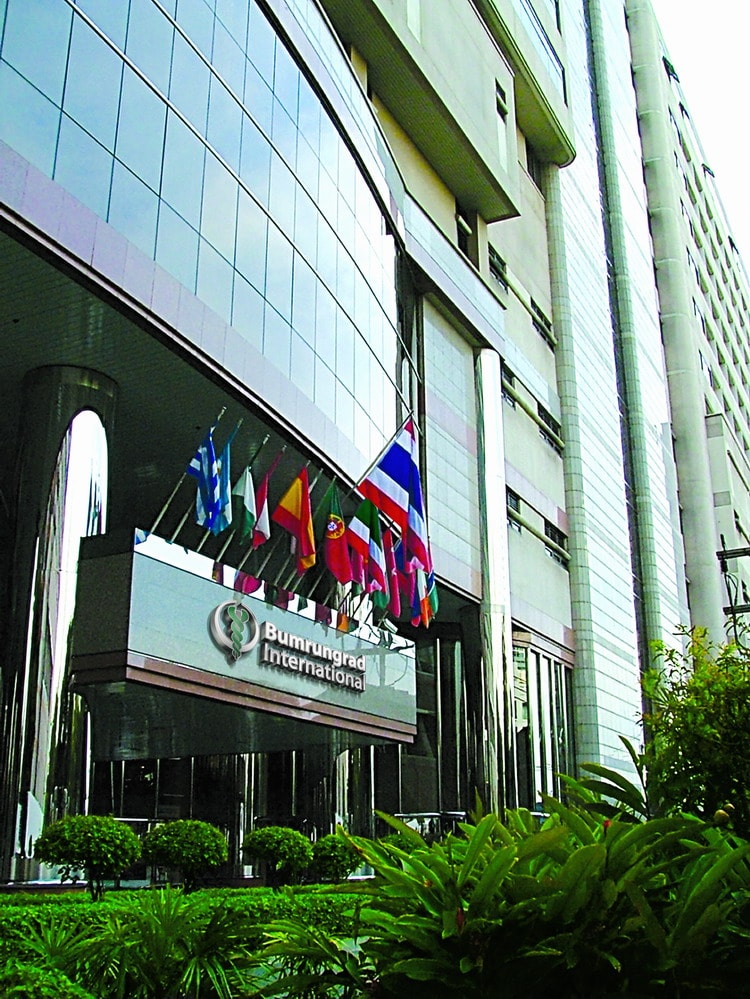
Nhưng cụm từ "lựa chọn cẩn thận" mang ý nghĩa rất quan trọng trong câu trên. Thái Lan có nhiều phân khúc khác nhau. Ở phân khúc cao nhất, các bệnh viện như Bumrungrad International, Bangkok Hospital và MedPark thực sự đẳng cấp thế giới — đội ngũ chuyên gia được đào tạo tại Mỹ và Anh, trang thiết bị giống hệt các bệnh viện hàng đầu phương Tây, và dịch vụ dành cho bệnh nhân quốc tế chuyên biệt bằng hơn 25 ngôn ngữ. Ở phân khúc thấp nhất, có những cơ sở thẩm mỹ không được công nhận do một bác sĩ đơn lẻ vận hành, không có hỗ trợ ICU. Khoảng cách giữa hai phân khúc này là rất lớn.
Cẩm nang này sẽ hướng dẫn bạn qua khung pháp lý quản lý, những chứng nhận thực sự quan trọng, và danh sách kiểm tra an toàn 12 điểm mà bạn có thể áp dụng cho bất kỳ cơ sở nào trước khi đặt lịch.
Hệ thống y tế Thái Lan được quản lý như thế nào
Tất cả bác sĩ hành nghề tại Thái Lan đều phải đăng ký với Hội đồng Y khoa Thái Lan (TMC), nơi công bố một sổ đăng ký công khai. Các bệnh viện được cấp phép bởi Bộ Y tế Công cộng Thái Lan và chịu sự thanh tra của Viện Công nhận Chất lượng Y tế (HA). Các bệnh viện tư hàng đầu còn theo đuổi thêm các chứng nhận quốc tế để cạnh tranh trong thị trường du lịch y tế.
Lớp kép gồm tiêu chuẩn trong nước và quốc tế này chính là điều khiến du lịch y tế Thái Lan đáng tin cậy: một bệnh viện hàng đầu như Samitivej Sukhumvit phải đáp ứng đồng thời chuẩn HA của Thái Lan, JCI, và (thường là) GHA. Việc không đạt bất kỳ tiêu chuẩn nào trong số đó đều gây hậu quả thương mại mà các bệnh viện không thể chấp nhận.
Những chứng nhận thực sự quan trọng (và ý nghĩa của chúng)
Hãy tìm những dấu hiệu này trên hồ sơ của bất kỳ cơ sở nào. Chúng tôi giải thích từng mục bằng ngôn ngữ dễ hiểu trong Cẩm nang Tin cậy & An toàn:
- •JCI (Joint Commission International) — tiêu chuẩn vàng toàn cầu về an toàn bệnh viện. Được tái đánh giá mỗi 3 năm. Khoảng 70 bệnh viện Thái Lan đạt chuẩn này. Bumrungrad là bệnh viện đầu tiên ở châu Á đạt được chứng nhận này (năm 2002).
- •HA Thái Lan — tiêu chuẩn của Viện Công nhận Chất lượng Y tế quốc gia Thái Lan. Bắt buộc đối với các bệnh viện tư hàng đầu.
- •GHA (Global Healthcare Accreditation) — dành riêng cho dịch vụ bệnh nhân quốc tế và toàn bộ hành trình điều trị.
- •ISO 9001 — tiêu chuẩn quản lý chất lượng được nhiều phòng khám áp dụng rộng rãi.
- •Temos — tiêu chuẩn chất lượng chăm sóc bệnh nhân quốc tế thiên về tiêu chí châu Âu.
- •Phù hợp với WPATH — liên quan đến chăm sóc khẳng định giới tính.
An toàn bệnh viện Thái Lan so với Mỹ, Anh và Úc như thế nào
Các bệnh viện lớn ở Thái Lan công bố tỷ lệ nhiễm trùng bệnh viện (HAI), tỷ lệ nhiễm trùng vết mổ, và tỷ lệ tái nhập viện trong 30 ngày ngang bằng với các trung tâm y khoa hàng đầu của Mỹ. Chứng nhận JCI yêu cầu các phác đồ dựa trên bằng chứng trên tất cả các phương diện này, và các thanh tra viên Thái Lan áp dụng chúng một cách nghiêm ngặt vì hậu quả tài chính của việc mất chứng nhận là rất nghiêm trọng (bệnh nhân sẽ chỉ đơn giản là chuyển đi nơi khác).
Những lĩnh vực mà bệnh viện Thái Lan thường vượt trội so với phương Tây: tỷ lệ điều dưỡng trên bệnh nhân tại các khoa nội trú (thường là 1:3 so với 1:6 trong nhiều cơ sở của NHS Anh), thời gian chờ khám chuyên khoa (thường trong tuần so với hàng tháng), và điểm số trải nghiệm bệnh nhân được đo lường bởi các đơn vị khảo sát độc lập tương đương Press Ganey.
Những lĩnh vực mà bệnh viện phương Tây vẫn dẫn đầu: các thử nghiệm ung thư học tiên tiến nhất (các trung tâm cấp ba của Mỹ vẫn có lợi thế với các loại ung thư hiếm), một số chương trình đào tạo chuyên sâu, và cơ chế truy đòi sai sót y khoa sau thủ thuật, vốn phát triển hơn trong hệ thống pháp luật Mỹ/Anh.
Danh sách kiểm tra an toàn 12 điểm trước khi đặt lịch
Hãy dùng danh sách này cho bất kỳ cơ sở nào bạn cân nhắc — dù ở Thái Lan hay nơi khác:
- •Bệnh viện có đạt chứng nhận JCI hoặc HA Thái Lan không? (Hãy tìm ngày chứng nhận gần đây, không phải từ 8 năm trước.)
- •Bác sĩ phẫu thuật cụ thể của bạn có được chứng nhận chuyên khoa tại Thái Lan hoặc nước ngoài không? Hãy xác minh qua sổ đăng ký của Hội đồng Y khoa Thái Lan.
- •Bác sĩ thực hiện bao nhiêu ca phẫu thuật cụ thể của bạn mỗi năm? Số lượng ca tương quan với kết quả — đối với phẫu thuật lớn, hãy tìm bác sĩ làm trên 50 ca/năm.
- •Cơ sở có phải là bệnh viện (không chỉ là phòng khám) cho bất kỳ thủ thuật nào cần gây mê toàn thân không?
- •Họ có bộ phận chăm sóc bệnh nhân quốc tế chuyên biệt với một điều phối viên làm đầu mối liên hệ duy nhất của bạn không?
- •Báo giá của bạn có được lập bằng văn bản, chi tiết theo từng khoản mục (phí bác sĩ phẫu thuật, gây mê, vật liệu cấy ghép, phòng, tái khám) không?
- •Kế hoạch tái khám hậu phẫu là gì nếu bạn bay về nhà và phát sinh biến chứng?
- •Có những đánh giá đã được xác minh sau điều trị cụ thể cho thủ thuật của bạn không (không chỉ là xếp hạng sao)?
- •Bệnh viện có năng lực ICU cho các trường hợp cấp cứu và bác sĩ gây mê nội viện trực 24/7 không?
- •Tỷ lệ nhiễm trùng của bệnh viện có được công bố hay cung cấp khi yêu cầu không, và nó so với các tiêu chuẩn quốc tế ra sao?
- •Thương hiệu vật liệu cấy ghép và số lô có được ghi lại không (các sản phẩm được FDA phê duyệt như Straumann, Nobel Biocare, Motiva, Mentor, v.v.)?
- •Có quy trình khiếu nại và hòa giải bằng văn bản không — và bệnh viện có mua bảo hiểm trách nhiệm pháp lý không?
Những dấu hiệu cảnh báo khiến bạn nên rời đi
Đây là những điều mà những người đi du lịch y tế có kinh nghiệm luôn để ý:
- •Báo giá thấp hơn 30% trở lên so với mặt bằng thị trường — vật liệu cấy ghép, vật tư tiêu hao, hoặc thời gian của bác sĩ phẫu thuật đang bị cắt giảm ở đâu đó.
- •Phòng khám không chịu nêu tên bác sĩ phẫu thuật cụ thể sẽ thực hiện thủ thuật của bạn.
- •Gây áp lực để bạn cam kết trước khi bạn đã có buổi tư vấn video hoặc được xem xét đầy đủ hồ sơ y tế.
- •Báo giá bằng văn bản mơ hồ hoặc không có — "bác sĩ sẽ nói cho bạn khi bạn đến" là một dấu hiệu cảnh báo.
- •Không đề cập đến chứng nhận, hoặc chỉ có chứng nhận ở cấp độ mạng lưới ("thuộc tập đoàn BDMS") mà không có huy hiệu JCI/HA riêng của bệnh viện.
- •Bác sĩ phẫu thuật cung cấp các thủ thuật ngoài chuyên khoa được chứng nhận của họ.
- •Không thể chia sẻ ảnh trước/sau hoặc kết quả ca bệnh do cùng một bác sĩ thực hiện.
Còn biến chứng thì sao? Ai chi trả?
Bảo hiểm du lịch tiêu chuẩn loại trừ hầu hết các thủ thuật tự chọn. Sản phẩm phù hợp là một chính sách bảo hiểm dành riêng cho du lịch y tế bao gồm bảo hiểm biến chứng trong 90–180 ngày sau thủ thuật. Hầu hết các bệnh viện lớn ở Thái Lan hợp tác với Global Excel, Allianz hoặc Cigna cho các chính sách này.
Các bệnh viện hàng đầu Thái Lan cũng cung cấp "gói đảm bảo chất lượng" — thêm vài trăm đô la vào hóa đơn nhưng bao gồm chăm sóc liên quan đến biến chứng tại chính bệnh viện đó trong tối đa 6 tháng. Chúng tôi luôn khuyến nghị điều này cho bệnh nhân phẫu thuật. Hãy hỏi rõ ràng trong quá trình tìm hiểu.
Nếu biến chứng phát sinh sau khi bạn đã về nhà, việc tái khám từ xa qua telehealth với bác sĩ phẫu thuật Thái Lan giờ đây là tiêu chuẩn. Đối với bất cứ điều gì cần chuyến đi quay lại, các bệnh viện như Bumrungrad và Bangkok Hospital miễn phí tư vấn trong thời gian xử lý biến chứng.
Còn an toàn về phẫu thuật thẩm mỹ và nha khoa cụ thể thì sao?
Phẫu thuật thẩm mỹ và nha khoa là hai lĩnh vực mà khoảng cách chất lượng giữa các cơ sở hàng đầu và các phòng khám giá rẻ là lớn nhất. Đối với phẫu thuật thẩm mỹ, chúng tôi đặc biệt khuyến nghị một bệnh viện đạt chuẩn JCI với đầy đủ hỗ trợ ICU — ngay cả các thủ thuật nhỏ đôi khi cũng phát sinh các tình huống cấp cứu về đường thở. Hãy đọc Cẩm nang Phẫu thuật Thẩm mỹ tại Thái Lan để biết các mẹo thẩm định bác sĩ cụ thể.
Đối với điều trị nha khoa, đặc biệt là cấy ghép toàn hàm và phục hình phức tạp, hãy chọn một bệnh viện nha khoa chuyên biệt có bác sĩ gây mê và phòng mổ tại chỗ. Cẩm nang Cấy ghép Răng tại Thái Lan hướng dẫn cách thẩm định một cơ sở nha khoa đúng cách.
ThaiCheckup giúp gì cho bạn
Mọi cơ sở trên ThaiCheckup đều đã vượt qua danh sách kiểm tra 12 điểm ở trên. Chúng tôi công bố phương pháp thẩm định để bạn có thể kiểm chứng chúng tôi. Các danh sách đều mang tính biên tập — chúng tôi chưa bao giờ nhận thanh toán để đưa vào danh sách một cơ sở không đáp ứng tiêu chuẩn của mình.
Nếu bạn muốn được đánh giá an toàn cá nhân hóa cho một cơ sở hoặc thủ thuật cụ thể (bao gồm cả những cơ sở không có trong danh sách ở đây), hãy dùng biểu mẫu yêu cầu bên dưới. Chúng tôi phản hồi trong vòng 24 giờ, hoàn toàn miễn phí, và sẽ đưa ra đánh giá trung thực — ngay cả khi câu trả lời là "đó không phải lựa chọn tốt, đây là lý do."
Câu hỏi thường gặp
Gây mê toàn thân tại Thái Lan có an toàn không?+
Tại các bệnh viện đạt chuẩn JCI, có — các phác đồ và thiết bị gây mê giống hệt các bệnh viện hàng đầu phương Tây, và các bác sĩ gây mê được chứng nhận chuyên khoa với các chương trình đào tạo chuyên sâu quốc tế. Luôn xác nhận rằng thủ thuật của bạn được thực hiện tại một bệnh viện (không phải phòng khám độc lập) nếu có gây mê toàn thân.
Nếu tôi bị biến chứng sau khi về nhà thì sao?+
Thông lệ tiêu chuẩn tại các bệnh viện hàng đầu Thái Lan là thời gian xử lý biến chứng 6 tháng với tái khám từ xa miễn phí. Nếu bạn cần quay lại để chỉnh sửa, các bệnh viện như Bumrungrad và Bangkok Hospital miễn phí tư vấn. Chúng tôi cũng khuyến nghị mua bảo hiểm dành riêng cho du lịch y tế (60–200 đô la) bao gồm biến chứng.
Làm sao tôi xác minh được một bác sĩ là có thật và đủ trình độ?+
Mọi bác sĩ hành nghề tại Thái Lan đều có một số đăng ký của Hội đồng Y khoa Thái Lan. Hãy hỏi số đó, rồi xác minh trên sổ đăng ký TMC. Chúng tôi thực hiện điều này cho mọi bác sĩ được liệt kê trên ThaiCheckup. Xem Cẩm nang Cách xác minh chứng chỉ của bác sĩ Thái Lan để biết từng bước.
Bệnh viện Thái Lan có sạch sẽ và hiện đại không?+
Các bệnh viện quốc tế hàng đầu của Thái Lan thường mới hơn và sang trọng hơn các cơ sở tương đương ở phương Tây — Bumrungrad, MedPark và Samitivej giống khách sạn năm sao hơn là bệnh viện. Phân khúc bệnh viện tư cao cấp là nơi Thái Lan đặc biệt vượt trội.
Kịch bản xấu nhất là gì và tôi lên kế hoạch cho nó ra sao?+
Kịch bản xấu nhất là một biến chứng phát sinh sau khi bạn bay về nhà. Hãy lên kế hoạch cho điều này bằng cách: (1) chọn một bệnh viện đạt chuẩn JCI, (2) mua bảo hiểm du lịch có bảo hiểm biến chứng, (3) giữ một bản sao đầy đủ hồ sơ y tế của bạn, và (4) thông báo cho bác sĩ chăm sóc ban đầu ở quê nhà trước khi bạn đi.


