LASIK vs SMILE in Thailand: Which Procedure, Which Clinic, and What It Costs
Thailand runs some of Asia’s highest-volume refractive surgery centres, at $1,500–$3,200 for both eyes. Here is the practical difference between Femto-LASIK and SMILE, and who each one suits.
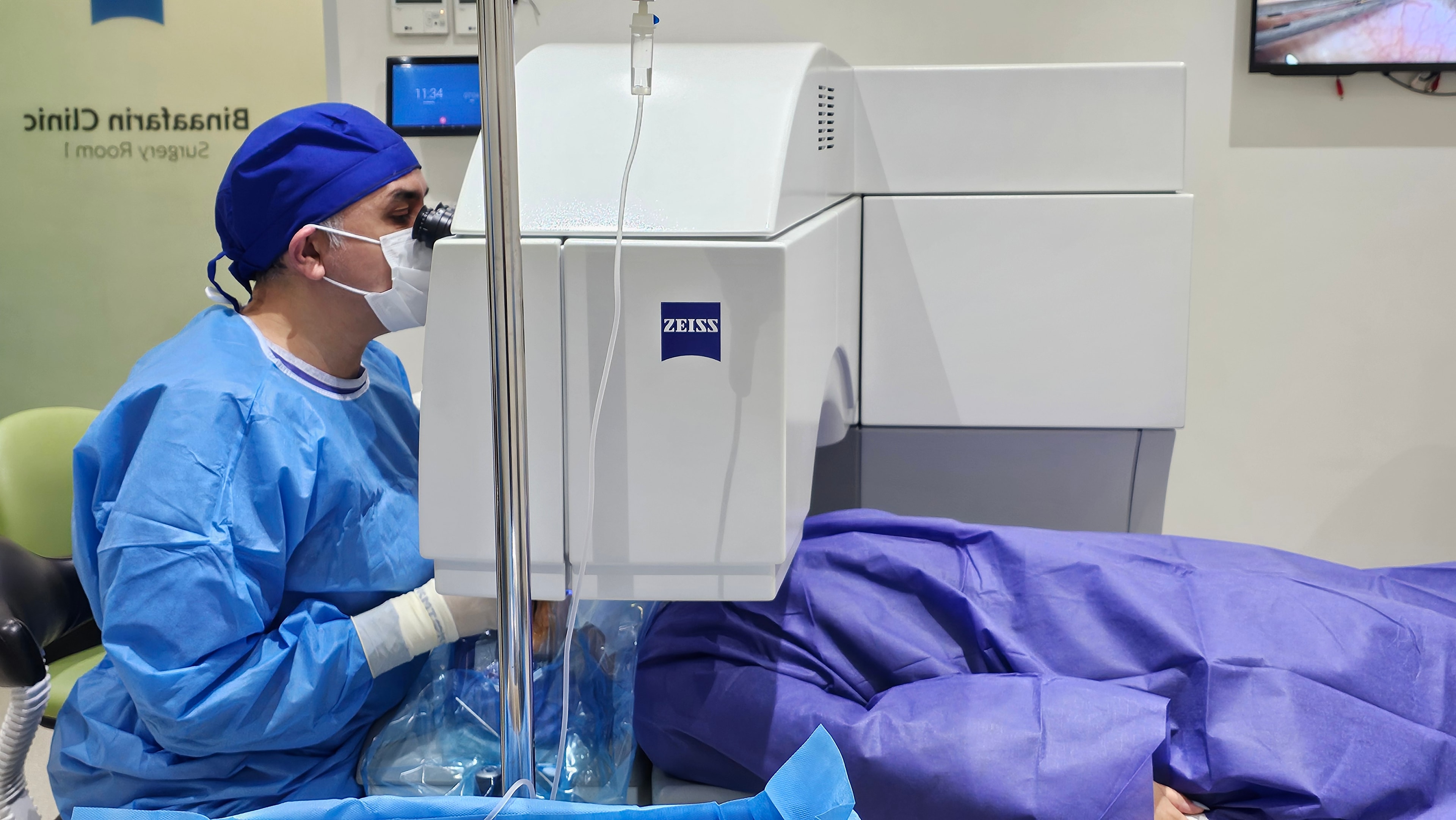 © Kanonzibaee / CC BY-SA 4.0
The price, and why it is genuinely lower
Femto-LASIK or SMILE in Thailand is $1,500–$3,200 for both eyes, against $4,000–$6,000 in the US and £3,000–£5,000 in the UK. Refractive surgery is high-volume and equipment-intensive, and Thailand’s leading centres — TRSC International LASIK, Rutnin Eye Hospital, and Bangkok Eye Hospital — run the same VisuMax, Alcon, and Schwind platforms as Western clinics.
This is one of the procedures where medical travel maths works best: the treatment takes minutes, recovery is fast, and the stay is short enough that it fits inside a normal holiday.
The actual difference between the two
Both correct vision by reshaping the cornea. The difference is how the surgeon gets there.
Femto-LASIK creates a thin hinged corneal flap with a femtosecond laser, lifts it, reshapes the tissue underneath with an excimer laser, then lays the flap back. Visual recovery is very fast — most people see well the next morning. The flap remains a permanent structural feature of the eye.
SMILE (Small Incision Lenticule Extraction) removes a small lens-shaped piece of tissue through a keyhole incision, with no flap at all. The incision is smaller, which preserves more corneal nerves; that tends to mean less post-operative dry eye and no flap to displace. Visual recovery is usually a day or two slower than LASIK.
- •SMILE often suits people with borderline dry eye, contact-sport or martial-arts participants, and anyone whose work risks eye trauma.
- •LASIK often suits people wanting the fastest visual recovery, and it handles long-sightedness and higher astigmatism ranges that SMILE currently does not.
- •Neither suits thin corneas, keratoconus, unstable prescriptions, or uncontrolled autoimmune disease — which is exactly what the screening exam is for.
Plan five days, not two
The typical schedule is 3–5 days: a full screening exam on day one (corneal topography, pachymetry, dilated retinal exam), surgery on day two, a next-morning check, then a final review before you fly. Do not schedule the screening and the surgery on the same day — a clinic that offers this is skipping the part where they decide whether you are a candidate.
Bring your glasses prescription history and stop wearing soft contact lenses for at least a week beforehand (two to three weeks for rigid lenses), or your corneal measurements will be distorted and the clinic will postpone you.
よくあるご質問
How much does LASIK cost in Thailand?+
$1,500–$3,200 for both eyes at leading centres, compared with $4,000–$6,000 in the United States. The figure typically covers screening, the procedure, and post-operative reviews during your stay.
Is SMILE better than LASIK?+
Neither is universally better. SMILE avoids a corneal flap and tends to cause less dry eye; LASIK gives faster visual recovery and treats a wider prescription range. Candidacy is decided by your corneal measurements, not preference.
How long should I stay?+
3–5 days, allowing a separate screening day before surgery and a post-operative review before flying.


