LASIK vs SMILE in Thailand: Which Procedure, Which Clinic, and What It Costs
Thailand runs some of Asia’s highest-volume refractive surgery centres, at $1,500–$3,200 for both eyes. Here is the practical difference between Femto-LASIK and SMILE, and who each one suits.
 © Kanonzibaee / CC BY-SA 4.0
The price, and why it is genuinely lower
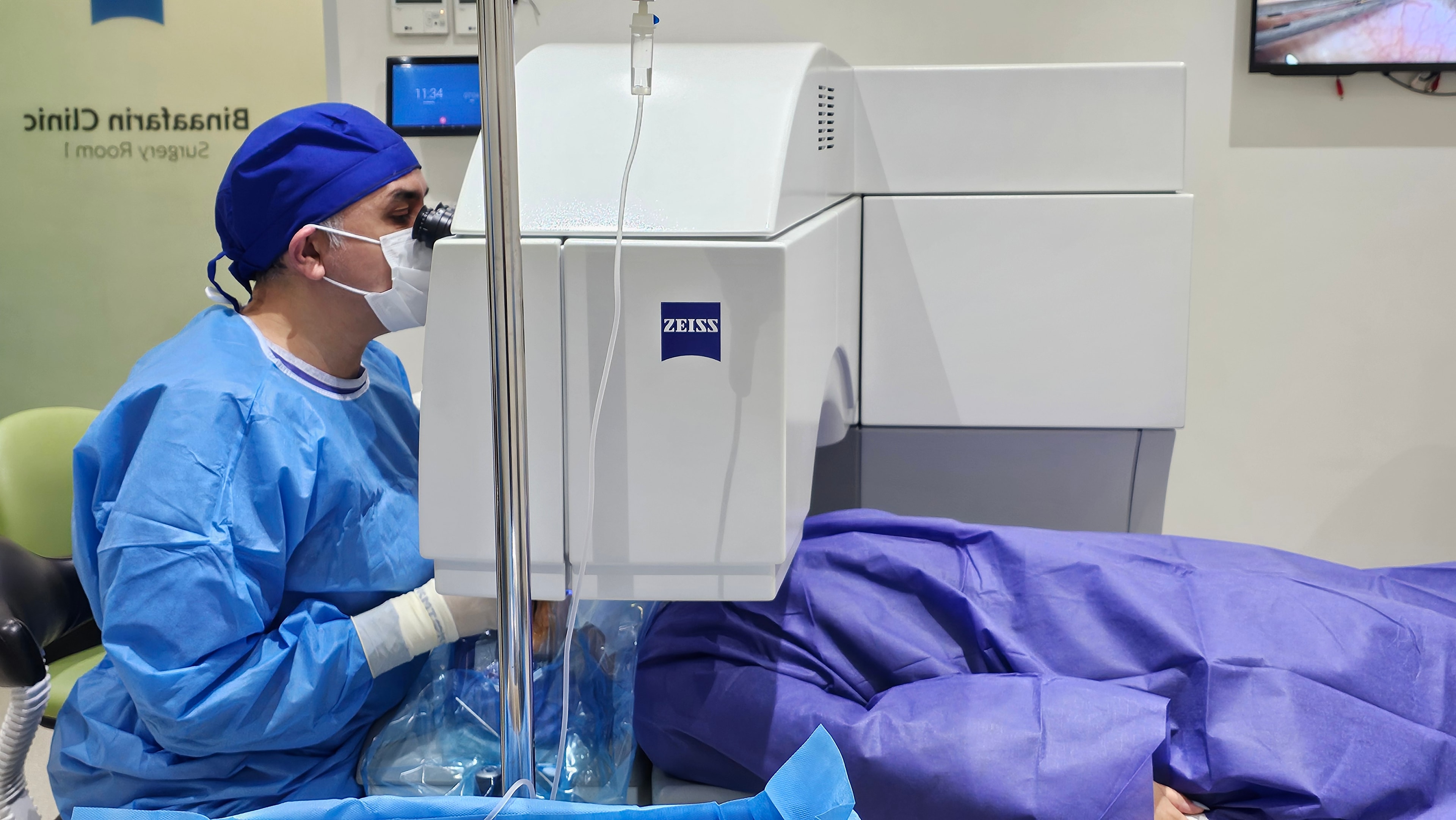
Femto-LASIK or SMILE in Thailand is $1,500–$3,200 for both eyes, against $4,000–$6,000 in the US and £3,000–£5,000 in the UK. Refractive surgery is high-volume and equipment-intensive, and Thailand’s leading centres — TRSC International LASIK, Rutnin Eye Hospital, and Bangkok Eye Hospital — run the same VisuMax, Alcon, and Schwind platforms as Western clinics.
This is one of the procedures where medical travel maths works best: the treatment takes minutes, recovery is fast, and the stay is short enough that it fits inside a normal holiday.
The actual difference between the two
Both correct vision by reshaping the cornea. The difference is how the surgeon gets there.
Femto-LASIK creates a thin hinged corneal flap with a femtosecond laser, lifts it, reshapes the tissue underneath with an excimer laser, then lays the flap back. Visual recovery is very fast — most people see well the next morning. The flap remains a permanent structural feature of the eye.
SMILE (Small Incision Lenticule Extraction) removes a small lens-shaped piece of tissue through a keyhole incision, with no flap at all. The incision is smaller, which preserves more corneal nerves; that tends to mean less post-operative dry eye and no flap to displace. Visual recovery is usually a day or two slower than LASIK.
- •SMILE often suits people with borderline dry eye, contact-sport or martial-arts participants, and anyone whose work risks eye trauma.
- •LASIK often suits people wanting the fastest visual recovery, and it handles long-sightedness and higher astigmatism ranges that SMILE currently does not.
- •Neither suits thin corneas, keratoconus, unstable prescriptions, or uncontrolled autoimmune disease — which is exactly what the screening exam is for.
Plan five days, not two
The typical schedule is 3–5 days: a full screening exam on day one (corneal topography, pachymetry, dilated retinal exam), surgery on day two, a next-morning check, then a final review before you fly. Do not schedule the screening and the surgery on the same day — a clinic that offers this is skipping the part where they decide whether you are a candidate.
Bring your glasses prescription history and stop wearing soft contact lenses for at least a week beforehand (two to three weeks for rigid lenses), or your corneal measurements will be distorted and the clinic will postpone you.
Frequently asked questions
How much does LASIK cost in Thailand?+
$1,500–$3,200 for both eyes at leading centres, compared with $4,000–$6,000 in the United States. The figure typically covers screening, the procedure, and post-operative reviews during your stay.
Is SMILE better than LASIK?+
Neither is universally better. SMILE avoids a corneal flap and tends to cause less dry eye; LASIK gives faster visual recovery and treats a wider prescription range. Candidacy is decided by your corneal measurements, not preference.
How long should I stay?+
3–5 days, allowing a separate screening day before surgery and a post-operative review before flying.


